
THC & CBD Alternatives
Pain relief, sleep, anxiety, energy, focus — there’s a more targeted solution for each.
We were the first retailer in Detroit Lakes to carry hemp-derived THC products — and we moved on. After years of carrying and comparing both hemp products and botanical alternatives, we carry what actually works best for the goals most people walk in with: kratom, kava, kanna, functional mushrooms, black seed oil, ashwagandha, and magnesium. We still carry CBD topicals and pet CBD for the cases where those are the right fit. Come in and we’ll tell you honestly which is which.
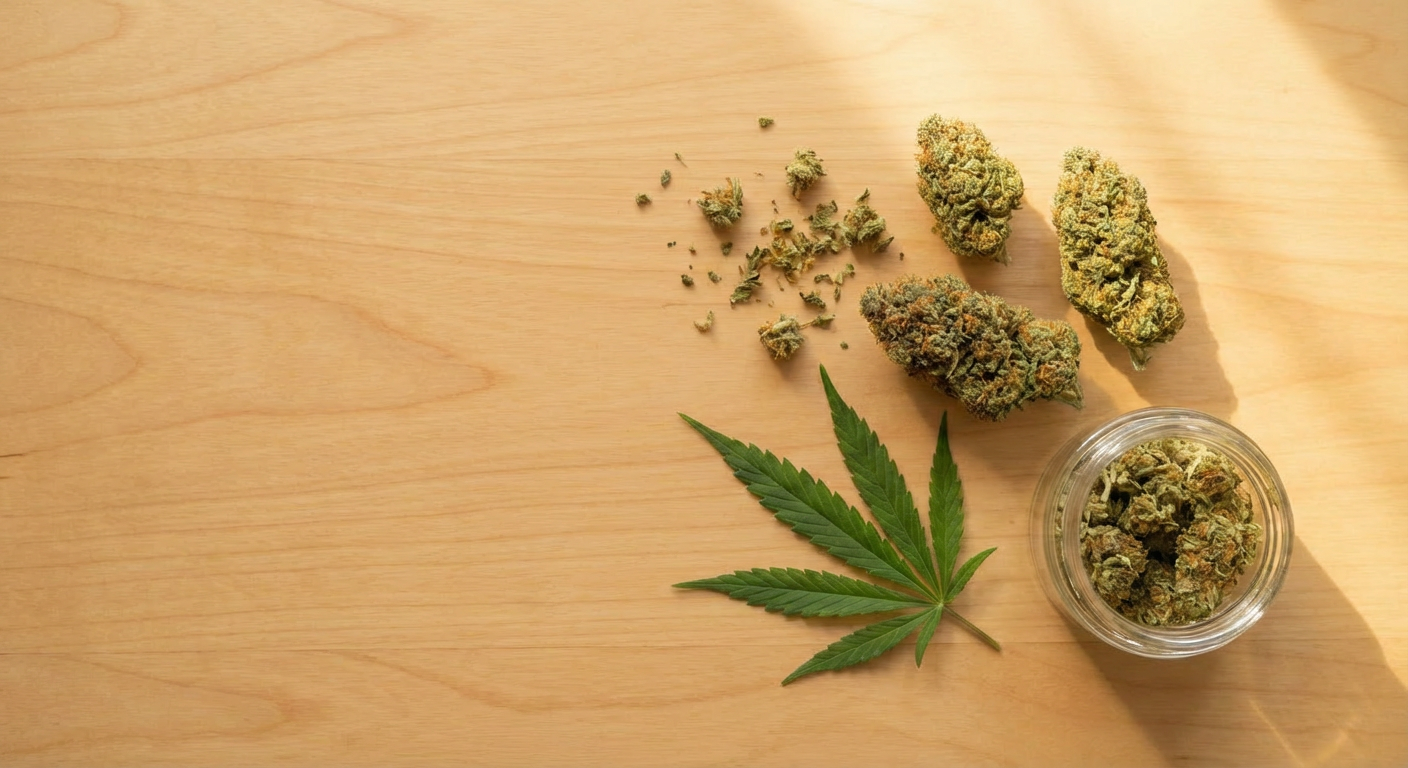
If you searched for CBD or THC products near Detroit Lakes, you found the right place — but not for the reason you expected. We were the first retailer in Detroit Lakes to carry CBD in 2015, and hemp THC products in 2018, and after years of selling and comparing both, we transitioned to a curated selection of botanical alternatives that consistently outperform hemp products for the goals most people have: pain relief, sleep, anxiety, focus, and energy.
We still carry CBD topicals for targeted skin and muscle application and pet CBD formulas — the two applications where CBD is genuinely the right tool. For everything else, the alternatives below work better, cost less per effective dose, and don’t show on standard drug tests. Come in and we’ll walk you through exactly why — no pressure, just honest guidance from people who have sold all of it.
Six Goals. Six Better Options.
Most people who walk into our Detroit Lakes store looking for CBD or THC have one of six specific goals. For each one, we carry something that works more directly, costs less per effective dose, and doesn’t show on standard drug panels. Here’s the honest breakdown — goal by goal.
Pain Relief & Inflammation
What most people reach for CBD oil hoping to get
What CBD delivers
CBD works through the endocannabinoid system with mild anti-inflammatory effects. For some people with certain types of inflammation it produces noticeable relief. For many others — especially for pain with a deeper mechanical component — the effect is subtle at best and often requires high doses to notice anything.
- Mild to moderate anti-inflammatory via CB2 receptors
- Slow onset — 1–2 hours for oral formats
- Effects vary significantly by individual
- High doses needed for stronger pain — expensive per serving
What works better
Red vein kratom works through opioid receptor pathways for genuine pain management — a fundamentally different mechanism that produces stronger, faster-onset relief for most types of pain. Black seed oil adds anti-inflammatory action through thymoquinone and potentiates kratom’s effects simultaneously. Together they cover both the pain signal and the inflammatory source.
- Red Bali / Red Borneo kratom — 15–30 min onset, opioid pathway relief
- Black seed oil — 1 tsp 30 min before kratom; anti-inflammatory + potentiator
- Turmeric / curcumin — daily anti-inflammatory foundation
- Drug test safe — kratom not screened on standard panels
Sleep Quality & Sleep Onset
The most common reason people try THC gummies and CBN products
What THC delivers for sleep
THC does reduce the time it takes to fall asleep — that part works. The problem is downstream: THC suppresses REM sleep, the restorative stage responsible for memory consolidation, emotional processing, and brain detoxification. You fall asleep faster but the sleep is less restorative. Many regular THC sleep users report waking up feeling unrested despite adequate hours in bed, and experience vivid rebound dreams when they stop.
- Faster sleep onset — the one genuine advantage
- Suppresses REM sleep — reduces restorative quality
- Morning grogginess common with higher doses
- Tolerance builds; need more over time for same effect
What works better
Red vein kratom + magnesium glycinate is the sleep stack we recommend most in Detroit Lakes. Red kratom calms pain, physical tension, and racing thoughts without suppressing sleep architecture. Magnesium glycinate addresses the nervous system at the mineral level, promoting GABA activity and genuinely improving sleep quality rather than just sedating. Blue lotus adds a third mechanism for dream depth and REM enhancement rather than suppression.
- Red kratom — pain and tension relief without REM suppression
- Magnesium glycinate — GABA support, nervous system calm, sleep architecture preservation
- Blue lotus — REM enhancement, dream depth via 5-HT2A
- Bisglycinate sleep powder + apigenin — four-mechanism sleep formula
Anxiety & Stress Relief
The most-marketed use case for CBD across Becker County
What CBD delivers for anxiety
CBD does have documented anxiolytic effects through endocannabinoid system modulation and 5-HT1A serotonin receptor agonism. It works for some people at sufficient doses. The practical problems: effective doses for anxiety tend to be high (often 25–75mg+), cost-per-dose becomes substantial, effects vary significantly between individuals, and daily use over time can create ECS tolerance where higher doses are needed for the same effect.
- Genuine mechanism via 5-HT1A and ECS modulation
- Effective doses are often higher than label suggests
- Variable individual response — some feel nothing
- Daily use builds tolerance over weeks to months
What works better
Kava produces reliable anxiety relief and physical calm through GABA pathways — consistent, predictable, and with no hangover. Kanna addresses the serotonergic mood and social anxiety layer. Ashwagandha (KSM-66) addresses the root cortisol dysregulation driving chronic anxiety over 4–8 weeks. Magnesium glycinate addresses nervous system over-firing at the mineral level. Each mechanism is different from CBD, and combining two or three addresses anxiety from multiple angles simultaneously.
- Kava — GABA-mediated physical calm, fast onset, no tolerance buildup
- Kanna — serotonin reuptake inhibition + PDE4; mood and social ease
- Ashwagandha KSM-66 — cortisol reduction, builds over 4–8 weeks of daily use
- Magnesium glycinate — NMDA antagonism, nervous system infrastructure
Energy, Focus & Cognitive Performance
Why people try low-dose THC microdosing or caffeinated CBD products
What CBD/THC delivers for focus
CBD has modest documented effects on focus for some people through anxiety reduction — less anxiety means better attention. THC microdosing is used by some for creativity and flow states but is unreliable, impairs cognition at doses that are difficult to control precisely, and builds tolerance quickly. Neither compound has a direct mechanism for cognitive enhancement or energy. The focus benefit from CBD is largely indirect.
- CBD: indirect focus benefit via anxiety reduction only
- THC: impairs more than it helps at normal doses
- No direct NGF or cognitive mechanism in either
- Tolerance builds, requiring increasing amounts over time
What works better
White and green vein kratom provide clean, functional energy through adrenergic pathways — you want to work, not just feel awake. Lion’s Mane provides the only documented direct cognitive enhancement mechanism available over the counter: NGF stimulation for neuroplasticity and memory, building over 8–12 weeks. L-Theanine + caffeine is the most replicated focus stack in the nootropic literature. Cordyceps provides cellular ATP energy at the mitochondrial level.
- White Maeng Da / Green Malay kratom — motivated, functional energy; no impairment
- Lion’s Mane — NGF-stimulated cognitive enhancement; builds over 8–12 weeks
- L-Theanine + coffee — smoothed, extended focus; most replicated nootropic stack
- Cordyceps — cellular ATP production; endurance and sustained output
Social Relaxation & Alcohol Replacement
Why people reach for THC beverages and low-dose edibles
What THC beverages deliver
Hemp-derived THC beverages have become popular as a social alcohol alternative — and there’s genuine appeal to the concept. The limitation is dose control: the difference between relaxed and impaired is narrow with THC, varies by individual, and tolerance builds quickly. You can’t drive home. Some people experience anxiety rather than relaxation, particularly in social settings where they’re already somewhat stressed. The social impairment risk is real.
- Genuine relaxation effect at low doses
- Narrow therapeutic window — easy to overshoot
- Some people experience anxiety, not relaxation
- Cannot drive; impairment is real and unpredictable
What works better
Kava is the most direct replacement for the social relaxation that people seek from THC beverages — GABA-mediated physical calm and social ease, no impairment, can drive, no hangover, no tolerance spiral. Kanna adds the mood and social confidence layer through serotonin pathways. Green vein kratom provides motivated, comfortable social energy. The kava + kanna combination is one of the best natural alcohol alternatives that exists — many Detroit Lakes customers have replaced both alcohol and THC entirely with this stack.
- Kava sodas/seltzers/shots — social relaxation, clear-headed, can drive
- Kanna — mood lift and social ease through serotonin pathway
- Green kratom — motivated social energy without impairment
- No hangover. No drug test concern. No impairment.
General Wellness & Daily Foundation
Daily CBD routines for general health and immune support
What daily CBD delivers
The “daily wellness CBD” market is built on the endocannabinoid system’s broad role in homeostasis. The evidence for daily CBD as a general health supplement is modest — the most honest summary is that it may help maintain ECS balance, has antioxidant properties, and works well as a topical anti-inflammatory. The systemic wellness claims are better supported by other compounds in almost every category.
- Mild ECS homeostasis support
- Antioxidant properties documented
- CBD topicals: genuine targeted anti-inflammatory
- Systemic wellness claims weakly supported vs alternatives
What works better
For a genuine daily wellness foundation, functional mushrooms (Lion’s Mane, Reishi, Cordyceps, Turkey Tail) each have documented mechanisms — NGF, immune modulation, ATP, prebiotic gut health — that CBD doesn’t approach. Ashwagandha + Rhodiola build genuine stress resilience over weeks. Vitamin D3 + magnesium + omega-3 address the most common nutritional deficiencies in Becker County. This foundation does more per dollar than any daily CBD routine.
- Multi-mushroom blend — Lion’s Mane, Reishi, Cordyceps, Turkey Tail daily
- Ashwagandha + Rhodiola — stress resilience that builds over 4–8 weeks
- D3 + Magnesium + Omega-3 — the Becker County nutritional foundation
- All drug test safe. No impairment. Compounding effects over time.
CBD vs THC vs Botanicals — Across What Actually Matters
The practical factors people in Detroit Lakes ask about most before deciding what to try.
| Factor | CBD | Hemp THC | Kratom | Kava | Mushrooms + Adaptogens |
|---|---|---|---|---|---|
| Drug Test Safe | Risk (full spectrum) | Fails THC panel | Yes — not screened | Yes — not screened | Yes — not screened |
| Drive After Use | Generally yes | No — impairs driving | White/Green: yes | Yes — no impairment | Yes — no impairment |
| Pain Relief | Mild anti-inflammatory | Moderate | Strong — opioid pathway | Muscle tension | Anti-inflammatory foundation |
| Sleep Quality | Mild benefit | Suppresses REM sleep | Red vein: strong onset | Physical calm, no disruption | Magnesium: strong architecture support |
| Anxiety Relief | Moderate at high doses | Can worsen anxiety | Green vein: reliable calm | Strong — GABA pathway | Ashwagandha: builds over weeks |
| Energy / Focus | Indirect only | Impairs cognition | White/Green: clean energy | Calm alertness | Lion’s Mane + Cordyceps |
| Social Use | Fine | Impairs social function | Green: social confidence | Best-in-class social relaxation | Background support |
| Tolerance Buildup | ECS receptor downregulation | Rapid CB1 downregulation | Rotation prevents tolerance | Reverse tolerance — improves | No tolerance; effects build |
| Cost Per Effective Dose | High — $2–6+ per dose | Moderate | Low — $0.50–2 per dose | Low–moderate | Low — daily supplement cost |
Two CBD Applications We Still Carry — Because They Work.
Topical CBD — Targeted Skin & Joint Application
CBD applied directly to skin and joints bypasses the systemic limitations of oral CBD entirely. Topical application delivers CBD directly to the CB2 receptors concentrated in skin and joint tissue, producing localized anti-inflammatory and pain relief effects without systemic absorption. For specific joint areas, tension headaches, muscle soreness, and skin inflammation, topical CBD is genuinely effective in a way oral CBD often isn’t. We carry topical CBD specifically because it’s the right tool for this application.
CBD for Pets — Anxiety, Joint Pain, and Aging Support
Pet endocannabinoid systems are more sensitive to CBD than human systems — the effective doses are lower and the anxiety and pain relief effects are more reliably observable in animals than in many human users. For dogs and cats with separation anxiety, joint stiffness, noise phobias, or age-related discomfort, CBD is a well-studied and vet-recognized option. We carry pet-specific formulations with species-appropriate dosing. Never use human CBD products on pets — the concentrations are inappropriate for most animals.
How Each One Works — and Why It Matters for Your Goal
CBD and THC work through one system — the endocannabinoid system. The botanicals we carry work through several different systems. When your goal is specific, matching the mechanism to the target matters more than brand recognition. Here’s what each compound actually does in the body.
Opioid & Adrenergic Pathways
Kratom alkaloids — primarily mitragynine and 7-hydroxymitragynine — act on mu, delta, and kappa opioid receptors as partial agonists. This is why red vein strains produce genuine pain relief and sedation. White and green vein strains work more prominently through adrenergic pathways, producing clean energy and motivated focus through a mechanism CBD simply doesn’t have.
Why this matters vs CBD: For pain, the opioid pathway produces qualitatively stronger and faster relief than CBD’s endocannabinoid anti-inflammatory approach. For energy and motivation, the adrenergic pathway produces something no CBD or THC product delivers.
- Red vein — mu opioid agonism: pain relief, sedation, relaxation
- White vein — adrenergic: clean energy, motivated drive, focus
- Green vein — balanced: moderate pain relief + functional energy
- Strain rotation prevents receptor adaptation — key to sustainable use
GABA Modulation & Kavalactone Pathways
Kava’s active compounds — kavalactones — work primarily through GABA-A receptor modulation and sodium channel blocking to produce physical relaxation, anxiolysis, and social ease. The mechanism is distinct from both CBD and THC. It produces the social relaxation and anxiety reduction people seek from THC beverages without any cognitive impairment — you stay completely sharp and can drive.
Why this matters vs THC: The GABA pathway produces reliable, predictable physical calm without the narrow therapeutic window, impairment risk, and tolerance spiral of THC. Many Detroit Lakes customers who switched from THC beverages to kava describe kava as producing more consistent and controllable social relaxation.
- Kavalactones — GABA-A modulation: physical calm and anxiety relief
- Reverse tolerance — effects improve with consistent use over 3–5 sessions
- No impairment — cognitive clarity maintained throughout
- No REM disruption — sleep architecture preserved unlike THC
Serotonin Reuptake Inhibition + PDE4
Kanna alkaloids — primarily mesembrine — work through serotonin reuptake inhibition (SRI) and PDE4 inhibition. This is a fundamentally different mechanism from both CBD and THC. SRI increases serotonin availability for mood elevation, social ease, and cognitive clarity. PDE4 inhibition supports brain-derived neurotrophic factor (BDNF) signaling. The result is a clean mood lift, reduced social anxiety, and sharper cognition — with no impairment.
- Mesembrine SRI — mood elevation, social confidence, anxiety reduction
- PDE4 inhibition — BDNF support, cognitive ease, mental clarity
- No impairment — fully functional for work and driving
- Contraindicated with SSRIs and MAOIs — tell us if you’re on either
Nerve Growth, Immune Modulation & Cellular Energy
Functional mushrooms don’t work through any of the same systems as CBD or THC — they operate entirely through different mechanisms. Lion’s Mane stimulates nerve growth factor (NGF) for cognitive enhancement and neuroprotection — a direct brain-building mechanism CBD marketing wishes it could claim. Cordyceps increases mitochondrial ATP production for genuine cellular energy. Reishi modulates the HPA axis for stress resilience. Turkey Tail supports gut microbiome health through prebiotic beta-glucans.
- Lion’s Mane — NGF stimulation: cognitive enhancement, neuroprotection, memory
- Cordyceps — ATP production: cellular energy, endurance, oxygen efficiency
- Reishi — HPA axis: cortisol regulation, immune modulation, stress resilience
- Turkey Tail — prebiotic beta-glucans: gut-brain axis, immune support
Thymoquinone & Kratom Potentiation
Black seed oil’s primary active compound thymoquinone produces anti-inflammatory effects through COX-2 inhibition and NF-κB pathway suppression — different from both CBD’s endocannabinoid anti-inflammatory mechanism and kratom’s opioid pathway. Its most practically significant property for our customers is kratom potentiation: black seed oil slows kratom metabolism, extending duration and enhancing intensity without increasing dose. One teaspoon 30 minutes before kratom is the most consistently reported potentiator we carry.
- Thymoquinone — COX-2 and NF-κB: anti-inflammatory independent of ECS
- Kratom potentiator — slows metabolism, extends effects, reduces dose needed
- Immune modulation — documented antimicrobial and immune support
- Take 30 min before kratom for maximum potentiation effect
HPA Axis Regulation & NMDA Modulation
Ashwagandha (KSM-66) reduces serum cortisol through HPA axis modulation — producing genuine stress resilience that builds over 4–8 weeks. This is a root-cause intervention for anxiety that CBD approximates through endocannabinoid modulation but doesn’t match at clinical doses in most users. Magnesium glycinate addresses nervous system over-firing at the mineral infrastructure level through NMDA receptor modulation — a mechanism that nothing else in the hemp or botanical category replicates.
- Ashwagandha KSM-66 — cortisol reduction: builds meaningfully over 4–8 weeks
- Magnesium glycinate — NMDA antagonism: nervous system calm at cellular level
- Together — address both hormonal (ashwagandha) and mineral (magnesium) drivers of anxiety
- No tolerance, no impairment — foundational wellness, not acute relief
Endocannabinoid System Downregulation — What It Means Practically
When you use CBD or THC consistently, your endocannabinoid system responds by reducing the sensitivity and number of CB1 and CB2 receptors — a process called receptor downregulation. Your body also produces fewer of its own endocannabinoids (anandamide, 2-AG) because it senses external cannabinoid input. The practical result: you need more of the product to feel the same effect, and feel worse when you stop than you did before you started. This is well-documented pharmacology, not a scare tactic. It’s why the same CBD dose that worked at month one stops working at month six.
- CB1/CB2 receptors downregulate — become less sensitive over weeks of daily use
- Natural endocannabinoid production decreases — body reduces its own output
- Higher doses needed for same effect — cost increases, effects diminish
- Worse baseline without product — anxiety, sleep, and pain can exceed pre-use levels when stopping
- Reset requires weeks of abstinence for receptors to normalize
- Different receptor systems entirely — opioid, adrenergic, GABA, serotonin, NMDA
- Kratom rotation prevents adaptation — switching strains keeps receptors responsive
- Kava reverse tolerance — effects actually improve over first 3–5 uses
- Mushrooms and adaptogens build — effects compound over consistent daily use
- Magnesium replenishes — addresses a deficiency, not a dependency
THC Doesn’t Treat Your Problems. It Creates New Ones That Require THC to Manage.
Most people who use THC for anxiety, sleep, pain, or low energy aren’t aware of what’s happening biologically over weeks and months. The industry sells the acute effect — the relief you feel in the first session. What they don’t sell is what happens after consistent use: the substance progressively causes or worsens the exact problems people are using it for, while creating a physical dependency that makes stopping feel impossible.
This isn’t opinion. It’s four well-documented biological cascades. Understanding them is what makes people switch — not because they’re told to, but because it explains things they’ve been experiencing for months and couldn’t account for. Full research and recovery timeline in our blog.
Your Brain Turns Off Its Own Cannabinoid Production
Your body produces its own cannabinoids — anandamide and 2-AG — that regulate mood, sleep, pain, appetite, stress, and immune function. When THC floods your CB1 and CB2 receptors chronically, your brain detects the external signal and downregulates its own receptor sensitivity and endocannabinoid production. Within weeks to months, your natural ECS is suppressed. You now need THC just to reach the baseline you had before you started.
The Anxiety That Feels Like Your Old Anxiety — But Isn’t
THC acutely lowers cortisol — which is why it feels anxiolytic the first many times you use it. With chronic use, it dysregulates the HPA axis, causing cortisol to become chronically elevated even at rest. Chronic high cortisol drives racing thoughts, heart palpitations, paranoia, and the general “can’t calm down” feeling. Then you use THC to calm down — which provides temporary relief while worsening the underlying HPA dysfunction. The anxiety you’re managing with THC is, in large part, the anxiety THC is causing.
You’re Asleep. You’re Not Resting.
THC does reduce sleep onset time — the falling asleep part works. What’s suppressed is REM sleep: the stage responsible for memory consolidation, emotional processing, hormonal regulation, and brain detoxification. Daily THC use suppresses REM sleep by 50–70%. You sleep 8 hours and wake up exhausted, foggy, and emotionally flat — because you spent those 8 hours in shallow, non-restorative sleep. When you stop THC, your brain experiences REM rebound: weeks of intense, disturbing dreams as it desperately tries to recover months of lost restoration.
Low Motivation Isn’t Your Personality. It’s Dopamine Downregulation.
THC triggers dopamine release in the brain’s reward center. With chronic use, the brain compensates by reducing dopamine receptor density and synthesis capacity. Normal activities that used to feel rewarding — exercise, accomplishment, social connection — now produce minimal dopamine response. The result is anhedonia: a pervasive “nothing feels interesting or worth doing” flatness that people attribute to depression, burnout, or personality — when it’s largely neurochemical. PET scan studies confirm chronic cannabis users show measurably reduced dopamine reactivity in the striatum compared to non-users.
Elevated Cortisol Doesn’t Stop at Anxiety. It Rewires Your Metabolism and Hormones.
Chronic high cortisol from HPA dysregulation cascades into your insulin, testosterone, and metabolic systems in ways most regular THC users have never connected to their cannabis use. This is the section that tends to click hardest for men — and that the cannabis industry has the strongest financial incentive to keep quiet.
Cortisol → Insulin → Blood Sugar Dysregulation
Chronically elevated cortisol signals the liver to release glucose into the bloodstream — a survival mechanism designed for acute stress. In chronic stress (including THC-induced HPA dysregulation), this runs continuously. The pancreas compensates by releasing insulin. Over months and years this creates the conditions for insulin resistance.
- Chronic high cortisol → chronically elevated blood sugar → chronically elevated insulin
- Insulin resistance develops → blood sugar crashes between meals → intense sugar cravings, brain fog, energy crashes
- Fat storage increases → particularly visceral (belly) fat, which cortisol specifically drives
- Studies show chronic cannabis users have 15–20% higher fasting insulin than non-users
- The brain fog and afternoon energy crashes many daily users experience are, in part, this metabolic cascade at work
Cortisol + THC → Testosterone Suppression (Men)
THC increases aromatase enzyme activity — the enzyme that converts testosterone into estrogen. Simultaneously, chronic high cortisol is directly catabolic to testosterone production. The combination produces a measurable and significant hormonal shift in male chronic users.
- THC activates aromatase → testosterone converts to estrogen at an elevated rate
- High cortisol suppresses testicular testosterone production directly
- Research finding: chronic male cannabis users show 20–30% lower testosterone than non-users
- Downstream effects: reduced muscle mass, low libido, reduced motivation and drive, slower recovery from exercise
- Sperm count and motility are significantly reduced in regular users
- Low energy, flat mood, and difficulty building muscle that men attribute to “getting older” is frequently this mechanism
High Cortisol + Low Testosterone = Muscle Wasting
Cortisol is catabolic — it breaks down muscle tissue for glucose. Testosterone is anabolic — it builds and preserves muscle. Chronic THC use creates both conditions simultaneously: elevated cortisol and suppressed testosterone.
- Cortisol catabolism → muscle tissue broken down for energy, especially during sleep
- Low testosterone → reduced protein synthesis, reduced muscle recovery and growth
- Dopamine depletion → low motivation to exercise, compounding the physical decline
- Regular gym-goers and athletes who use THC daily frequently report a plateau or decline in physical performance and body composition that correlates directly with their use pattern
REM Suppression → Hormonal Recovery Failure
The majority of daily testosterone and growth hormone secretion in men occurs during deep and REM sleep. When THC suppresses REM sleep by 50–70%, this hormonal restoration window is dramatically compressed.
- Peak growth hormone release occurs during deep sleep → suppressed by chronic THC use
- Testosterone restoration primarily happens during REM → further depressed by already low T
- Cortisol awakening response (the normal morning cortisol spike that creates energy) is blunted in heavy users → explains the inability to wake up and feel alert
- The combination of poor REM, low testosterone, and blunted cortisol awakening response is what produces the “wake up feeling worse than before I slept” experience so many daily users report
Comparative Dependency Rates — Cannabis vs Everything Else
From Johns Hopkins research and NIDA data. Cannabis creates dependency at roughly twice the rate of alcohol. Among daily users, it rivals tobacco. This isn’t fringe research — it’s the consensus finding from institutions with no financial relationship to the botanical alternatives industry.
| Substance | All Users (%) | Daily Users (%) | Withdrawal Severity | Withdrawal Duration |
|---|---|---|---|---|
| Commercial Cigarettes | 32% | 67% | Severe | 8–12 weeks |
| Cannabis (THC) | 30% | 50–60% | Moderate–Severe | 2–12+ weeks |
| Prescription Opioids | 23% | 50–75% | Severe | 4–12 weeks |
| Alcohol | 15% | 50% | Severe (life-threatening) | 4–8 weeks |
| Cocaine | 17% | 17% | Severe | Weeks–months |
| Caffeine | 9–14% | ~50% | Mild | 2–9 days |
| Kratom (responsible use with rotation) | 3–6% | 3–6% | None–Mild | 2–7 days |
| Nicotine (pouches / gum / non-combustion) | 5–10% | 10–15% | None–Mild | 2–5 days |
Sources: Hasin DS et al., JAMA Psychiatry 2015 · Budney AJ et al., Addiction Science & Clinical Practice 2007 · NIDA National Survey on Drug Use and Health · Johns Hopkins School of Medicine Cannabis Use Disorder research · Volkow ND et al., PNAS 2014
The 7-Day Test — The Clearest Way to Know
If you use THC regularly and want to know whether you’re experiencing genuine relief from a pre-existing condition or relief from a condition cannabis is actively creating, there is one clear test:
Stop using for 7 days. Track what happens on days 2–5.
If anxiety, insomnia, pain, or irritability worsen significantly during this window, that symptom spike is your endocannabinoid system in withdrawal — not evidence of a pre-existing medical condition requiring cannabis. It is evidence that the substance is now required to manage problems it helped create. The mechanism is the same regardless of how long you’ve used or what you originally started using it for.
You are experiencing ECS withdrawal, not evidence of medical necessity. Your receptors are downregulated. Your natural endocannabinoid tone is suppressed. The anxiety, insomnia, or pain you feel is significantly amplified by dependence — not caused by your original condition alone. This is the most important thing to understand before deciding to continue.
Your brain can fully recover. CB1 receptor density normalizes within 4–8 weeks of abstinence. Cortisol rhythms stabilize. REM sleep restores. Dopamine synthesis recovers. Testosterone levels rise in men. The question is what you use during that window to manage the transition — which is exactly where the botanical alternatives on this page become relevant.
Read the full article: The Hidden Cost of Cannabis →Red Kratom + Magnesium + Black Seed Oil
Better than: THC/CBN sleep gummies & CBD oil for painThe most commonly recommended stack for people who came in looking for CBD for pain or THC for sleep. Red kratom handles the opioid-pathway pain and tension relief. Magnesium glycinate preserves sleep architecture while addressing nervous system over-firing. Black seed oil adds anti-inflammatory support and potentiates the kratom. No REM suppression. Wake up actually rested.
White Kratom + Lion’s Mane + L-Theanine
Better than: THC microdosing for productivity & CBD for focusFor Becker County customers who tried THC microdosing for creative work or CBD for focus — this is what actually works. White kratom provides adrenergic drive and motivated energy without impairment. Lion’s Mane builds cognitive infrastructure over 8–12 weeks through NGF stimulation. L-theanine smooths the kratom’s edge and promotes alpha brain waves for sustained attention. Fully functional for work and driving.
Kava + Kanna + Ashwagandha
Better than: CBD for anxiety & THC beverages for social useThree different anxiety mechanisms working simultaneously. Kava handles the acute physical GABA-mediated calm for right-now relief. Kanna addresses the serotonergic mood and social confidence layer. Ashwagandha addresses the cortisol root cause over 4–8 weeks of daily use. Together they cover what no single CBD or THC product can — immediate, social, and foundational anxiety relief without impairment or tolerance spiral.
Multi-Mushroom + Adaptogens + Mineral Foundation
Better than: Daily CBD wellness routineThe daily CBD wellness market sells vague homeostasis support. This stack delivers four specific, documented mechanisms for the same or lower cost per day. Lion’s Mane and Cordyceps for cognitive and physical performance. Reishi and Ashwagandha for stress resilience. Vitamin D3, magnesium, and omega-3 address the three most common deficiencies in Becker County. Effects compound over weeks — the opposite of CBD’s diminishing returns pattern.
Starting Doses for Each Category
Starting points for new users of each product category. Our Detroit Lakes staff will walk you through specifics based on your situation — these are the general beginner guidelines we use at the counter daily.
Kratom
- Beginner2–3g. Empty stomach. Wait 45 min before more.
- Standard3–5g for most people. Don’t exceed 8g — more isn’t better.
- TimingEmpty stomach. With BSO 30 min prior for potentiation.
- RotationSwitch strains regularly. 5 days on, 2 off prevents tolerance.
- Drug testNot screened on standard 5 or 10-panel tests.
Kava
- Beginner1 soda or seltzer (70–150mg kavalactones). Wait 45 min.
- Social150–250mg kavalactones. 1–2 drinks over 1 hour.
- TimingEmpty stomach — 3–4 hrs after eating for best effect.
- NoteReverse tolerance — try 3–5 times before judging effect.
- Drug testNot screened on any standard panel.
Kanna
- Beginner25–50mg. Start low — effects are noticeable.
- Standard50–150mg depending on format and goal.
- Timing30–45 min before kava if stacking. Onset 30–60 min.
- CautionDo not use with SSRIs or MAOIs. Tell us if you’re on either.
- Drug testNot screened on standard panels.
Functional Mushrooms
- GeneralFollow product label. Typically 500–2,000mg per serving.
- TimingWith food for best absorption. Morning preferred for most.
- ConsistencyDaily use required. Benefits build over 4–12 weeks.
- ToleranceNone. No cycling needed. Effects build, not diminish.
- Drug testNot screened. No concern.
Adaptogens
- Ashwagandha300–600mg KSM-66 daily. Evening preferred. 4–8 weeks to evaluate.
- Rhodiola200–400mg morning. Before work or exercise.
- TimingWith food. Consistent daily use — not as-needed.
- TimelineMeaningful effects at 4–8 weeks. Don’t judge earlier.
- Drug testNot screened. No concern.
Black Seed Oil
- Potentiator1 tsp 30 min before kratom. Most consistent potentiator we carry.
- Daily use1–2 tsp daily with food for anti-inflammatory and immune support.
- TimingCan be taken with food or before kratom. Both are effective.
- NoteStrong flavor. Mix into juice or take straight with water.
- Drug testNot screened. No concern.
CBD & THC Alternatives FAQ — Answered by People Who Have Sold Both
No — kratom, kava, kanna, functional mushrooms, black seed oil, and adaptogens are not screened on any standard drug panel. Standard 5-panel, 10-panel, and 12-panel tests screen for THC metabolites, opiates (heroin/morphine/codeine), cocaine, amphetamines, and PCP. None of the botanicals we carry fall into any of these categories.
Important clarification: kratom alkaloids are structurally different from the pharmaceutical opioids tested on standard panels. They will not trigger a false positive for opiates on standard tests. Specialized kratom-specific testing does exist in limited contexts (some probation and military testing), so if your specific situation involves non-standard testing, tell us and we can discuss your options.
For the most common use cases, yes — with important specifics to know:
- Kava: Produces physical relaxation and calm without cognitive impairment at standard doses. Most people can drive normally after kava at social doses (1–2 drinks). At very high doses, some sedation may occur — assess how it affects you before driving after a heavier session.
- White and green vein kratom: Produces energy, focus, and motivated alertness through adrenergic pathways. These strains are not sedating — driving is appropriate and most customers use them specifically because they can function normally.
- Red vein kratom: Sedating at higher doses. At standard doses (2–4g) most people function normally, but at doses toward the higher end of the range, the sedation is meaningful. Do not drive after large red vein doses until you know how that specific amount affects you personally.
- Kanna, functional mushrooms, adaptogens: No impairment. Drive normally.
Kratom has dependence potential when used daily at high doses without rotation or breaks — that’s the honest answer. The practical addiction liability is substantially lower than most people expect, and far lower than prescription opioids, benzodiazepines, or alcohol.
What the research actually shows: most kratom users who stop report effects comparable to stopping caffeine — mild fatigue and irritability lasting 2–3 days. A smaller subset of heavy daily users experience more significant withdrawal, but this is reliably dose-dependent and pattern-dependent. The key practices that prevent dependence problems:
- Strain rotation — switching between red, green, and white keeps receptors from adapting to any single alkaloid profile
- Take breaks — 5 days on, 2 days off is the standard protocol; prevents receptor adaptation
- Stay at your dose — most long-term kratom users maintain the same 3–5g dose for years without escalation when rotating properly
- Don’t combine with other CNS depressants — alcohol, benzodiazepines increase both effect and risk
We tell every first-time customer at our Detroit Lakes store: use it with intention, rotate strains, take breaks, and don’t escalate your dose. The people who run into problems are almost always using one strain daily at high doses without breaks — a pattern we actively advise against.
This is the most common reason people walk into our Detroit Lakes store after starting with CBD. What happened is endocannabinoid receptor downregulation — a well-documented pharmacological response to consistent CB1/CB2 receptor stimulation.
When you use CBD or THC consistently, your body responds by reducing both the number and sensitivity of endocannabinoid receptors. Simultaneously, it produces fewer of its own natural endocannabinoids (anandamide and 2-AG) because it senses external cannabinoid input. The practical result: the same dose produces less effect over time, and your baseline anxiety, pain, or sleep quality may be worse than before you started because your natural endocannabinoid tone is lower.
The reason the botanicals we carry avoid this problem: they work through different receptor systems entirely — opioid, adrenergic, GABA, serotonin, NMDA. None of these systems are subject to the same downregulation pattern from the use patterns our customers maintain. Kratom rotation specifically prevents receptor adaptation by varying the alkaloid profile your receptors see each session.
THC genuinely does help you fall asleep faster — that part is real and documented. The issue is what happens to sleep quality once you’re there.
THC suppresses REM sleep — the stage responsible for memory consolidation, emotional processing, and brain detoxification. You spend more time in lighter sleep stages and less time in the most restorative one. This is why many regular THC sleep users report waking up technically rested by the clock but still feeling foggy, emotionally blunted, or cognitively slow. When they stop THC, they often experience intense vivid dreams (REM rebound) as the brain tries to catch up on suppressed REM cycles.
The stack we recommend instead — red vein kratom + magnesium glycinate — addresses the actual causes of poor sleep onset (pain, tension, racing thoughts) without disrupting sleep architecture. You fall asleep in a similar timeframe, spend appropriate time in REM, and wake genuinely restored. Many Detroit Lakes customers who made this switch describe it as the first genuinely restorative sleep they’ve had in years.
Kava is the most direct replacement for what people are actually looking for from THC beverages in social situations — relaxation, reduced social anxiety, and a lower inhibition without impairment. Kava has been used ceremonially for over 3,000 years in Pacific Island cultures specifically as a social relaxant. The effect is genuine, consistent, and produces no cognitive impairment.
What makes kava specifically better than THC for social use in Detroit Lakes:
- No impairment — you can drive home. This is not a minor point.
- Predictable therapeutic window — THC beverages have a narrow window between relaxed and impaired that varies by individual and tolerance. Kava is much more controllable.
- No anxiety paradox — THC causes anxiety in a meaningful subset of users, particularly in social settings. Kava reliably reduces it.
- No hangover or next-day fog — kava metabolizes cleanly with no morning cognitive residue.
- Reverse tolerance — works better over time, not worse.
Stacking kava with kanna adds a serotonin-pathway mood lift and social confidence layer that makes the combination one of the best natural alcohol and THC alternatives we know of. Many Detroit Lakes customers have replaced both alcohol and THC at social events with this combination.
Honest answer: both. CBD has documented anti-inflammatory effects through CB2 receptor modulation and is genuinely effective for certain types of pain at adequate doses — particularly inflammatory pain and neuropathic pain in some populations. The research supports it as a real compound with real mechanisms.
Where the overhype comes in: effective oral doses for meaningful pain relief tend to be higher than most commercial products deliver (often 25–75mg+ per dose for pain, while many products sell 10–15mg servings), the cost-per-effective-dose is high, individual response varies significantly, and tolerance builds with consistent use requiring dose escalation. CBD topicals are genuinely effective for localized pain — this is the application where CBD is the right tool and we still carry it specifically for this reason.
For pain that involves a deeper tissue, joint, or nerve component — the type that brings most people into our Detroit Lakes store looking for something strong enough to actually help — red vein kratom produces qualitatively stronger and faster relief through direct opioid receptor pathway activity. It’s a different mechanism producing a different magnitude of effect. That’s not a marketing claim; it’s why people who have tried both come back to us for kratom.
Black seed oil is the most consistently effective kratom potentiator we carry — meaning it makes your kratom dose stronger and last longer without requiring you to take more kratom. The mechanism involves thymoquinone, black seed oil’s primary active compound, inhibiting certain CYP450 liver enzymes that metabolize kratom alkaloids. Slower metabolism means the alkaloids stay active in your system longer and at higher blood concentrations than they would without the BSO.
In practice: customers who add 1 teaspoon of black seed oil 30 minutes before their kratom dose consistently report noticeably stronger effects from the same kratom amount they were already using. This is useful in two ways — you get more from your existing dose, or you can reduce your kratom amount while maintaining the same effect, which is better for long-term tolerance management.
Beyond potentiation, black seed oil has independent value: thymoquinone is a documented anti-inflammatory through COX-2 inhibition and NF-κB pathway suppression — a different mechanism from both CBD and kratom that addresses inflammation at the source. Many Detroit Lakes customers take it daily as an anti-inflammatory supplement regardless of whether they’re using kratom that day.
We carry CBD topicals (creams, lotions, balms for localized skin and joint application) and CBD pet products (species-specific formulations for dogs and cats). These are the two applications where CBD is genuinely the right tool and where we’ve seen consistent results across customers.
For everything else — pain, sleep, anxiety, energy, social use, general wellness — we transitioned to botanical alternatives after years of carrying and comparing both. We were the first retailer in Detroit Lakes to carry hemp THC products in 2018. We know the category from the inside. The move to botanicals wasn’t philosophical; it was based on what customers consistently came back reporting actually worked for them.
Masterpiece Alternatives was the first retailer in Detroit Lakes to carry CBD in 2015 and hemp THC in 2018 — and the first to make the informed transition to botanical alternatives based on what actually works for our customers. We carry kratom (powders, capsules, gummies, shots, and extracts), kava (sodas, seltzers, tinctures, shots, and traditional powder), kanna, blue lotus, functional mushrooms, black seed oil, magnesium, adaptogens, and more — with staff who have been guiding these conversations since 2014.
- Detroit Lakes: 143 Veterans Memorial Pkwy, Detroit Lakes MN 56501 · (218) 844-2012
- Perham: 138 W. Main Street, Suite E, Perham MN 56573 · (218) 346-7547
We serve Detroit Lakes, Frazee, Audubon, Lake Park, Pelican Rapids, Vergas, Hawley, and Moorhead. Hours: Mon–Thu 9am–8pm · Fri–Sat 9am–9pm · Sun 10am–7pm. Must be 18 or older to purchase botanical products. Call ahead to confirm specific products are in stock before making the drive.
First to Carry CBD. First to Carry Hemp THC. First to Find Better.
We introduced CBD to Detroit Lakes in 2015 and hemp-derived THC in 2018 — before any other retailer in the city knew either category existed. After years of carrying, selling, and comparing hemp products alongside botanical alternatives, we made the informed transition. We don’t follow trends. We evaluate them — and we tell you what we actually found.
Carried hemp-derived THC products before any other retailer in Detroit Lakes knew the category. Built the local knowledge base from scratch — which is exactly why we can tell you honestly what works and what doesn’t.
First in Detroit LakesOver a decade of botanical wellness expertise. We’ve carried every category before it went mainstream and developed real knowledge about what produces consistent results for real customers.
Est. 2014Carried CBD before any other retailer in Detroit Lakes — years before it became a mainstream wellness category. We built the local CBD knowledge base from the ground up, which is exactly why we can tell you honestly where it works and where it doesn’t.
First in Detroit LakesTwo locations. Staff who have had thousands of conversations about hemp products, kratom, kava, and botanicals. We’ve seen what works long-term and what doesn’t — and we’ll tell you the truth either way.
Perham & Detroit LakesCome In and Find What Actually Works.
Tell us what you were looking for — pain relief, sleep, anxiety, energy, social relaxation — and we’ll show you what we found after years of carrying and comparing hemp products and botanical alternatives. No pressure. Just honest guidance from people who have sold everything on both sides of this conversation.
More at Masterpiece Alternatives Detroit Lakes
Important Notice: These statements have not been evaluated by the Food and Drug Administration. Kratom, kava, kanna, functional mushrooms, and botanical supplement products are not intended to diagnose, treat, cure, or prevent any disease or medical condition. Information provided on this page is educational and does not constitute medical advice. Individual results vary. Consult a qualified healthcare provider before use if you are pregnant, nursing, taking prescription medications, or managing a diagnosed health condition.
Must be 18 or older to purchase botanical products. Do not combine kratom with alcohol, benzodiazepines, or acetaminophen. Do not combine kanna with prescription SSRIs or MAOIs — serotonin syndrome risk. Do not use kratom if you have liver disease or take medications significantly metabolized by the liver. Do not drive after high doses of red vein kratom or kava until you understand how they affect you individually. Keep all products out of reach of children and pets. CBD pet products are for animals only — never use human CBD formulations on pets. Use all products responsibly and within recommended guidelines.
There are no products listed under this category.